
International Epilepsy Awareness Day

By Eve Day
Today is International Epilepsy Day 2026, celebrated annually on the second Monday of February. It is a day for recognising the condition and its impacts globally, advocating to alleviate the stigma and promote better outcomes for the estimated 50 million people living with epilepsy.
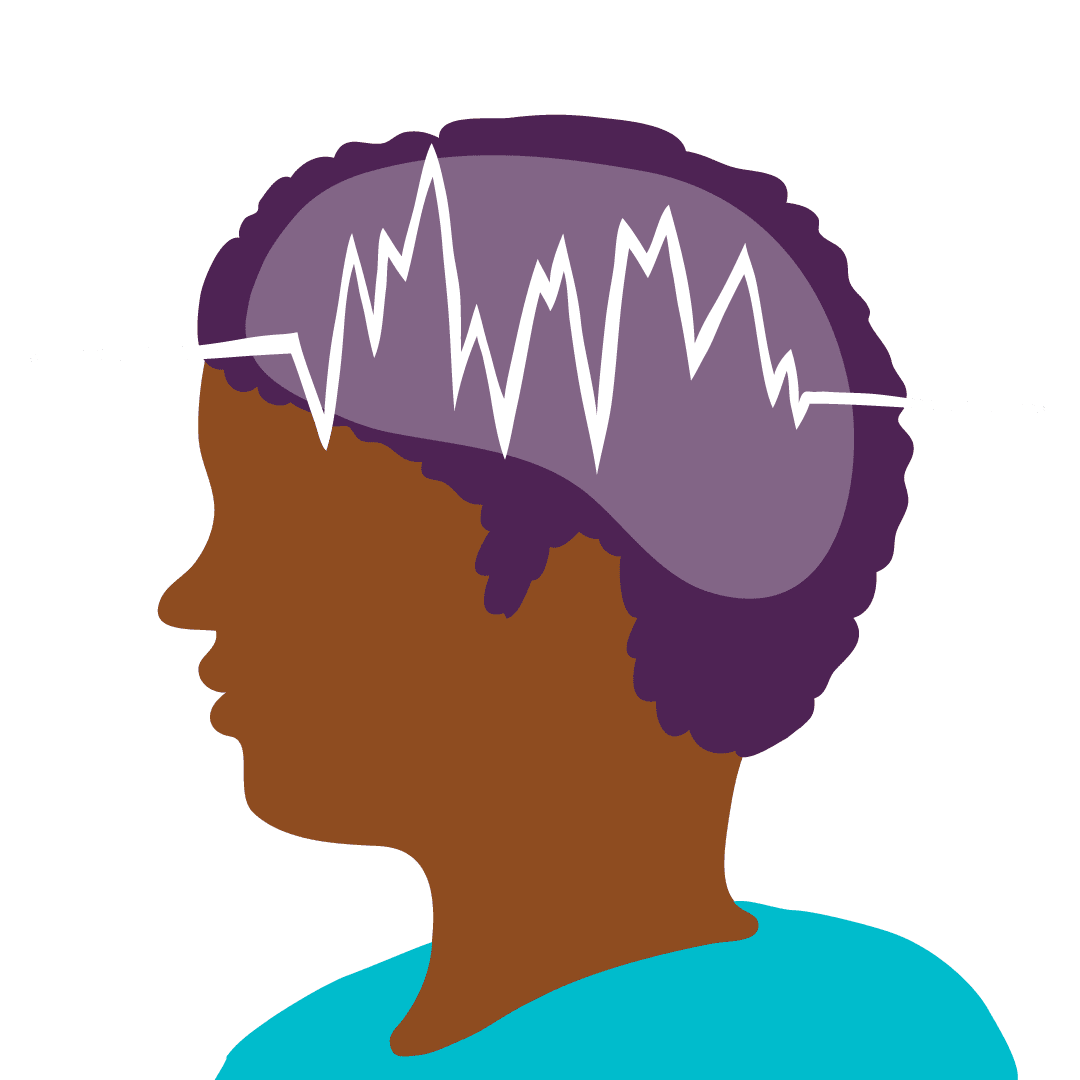
Epilepsy is a noncommunicable disease that affects the brain. It encompasses a range of severities, generally characterised by recurrent, unprovoked seizures caused by abnormal electrical activity in the brain. Seizure frequency varies widely between individuals, ranging from rare, isolated events to multiple seizures per day. It is one of the fourth most common brain diseases, and among the oldest recognised conditions in written record – dating back to seizure descriptions in ancient Mesopotamia circa 2000BC.
Today, around 50 million people globally are living with epilepsy. While half of all cases are idiopathic, it is known to be caused by a range of conditions – such as an autoimmune disease, infection of the brain, physical trauma, a brain tumour, or through genetic predisposition.
Epilepsy is also associated with a higher likelihood of suffering psychiatric comorbidities. People living with epilepsy experience significantly higher rates of depression, anxiety, bipolar disorder and ADHD compared to the general population. This link is bidirectional – people diagnosed with depression were more likely to develop epilepsy, and there is a strong relationship between the severity of each disease. One study found that people with epilepsy were twice as likely to report depression and anxiety compared to non-epileptic individuals, as well as facing a threefold higher risk of premature death.
Unequal spread of disease
This condition is also more likely to affect those in middle- and low- income countries. Prevalence in high-income countries is estimated at 0.049% of general population, compared to 0.139% in middle- and low-income countries. This can be attributed to the increased risk of endemic conditions such as neurocysticercosis or malaria, and the higher incidence of injury. Poorer medical infrastructure is also likely to contribute, with a higher likelihood of trauma during birth or a lack of accessible care.
Treatments
Epilepsy can be managed using a range of treatments, including anti-seizure medications, surgery, neurostimulation devices, dietary therapies and participation in ongoing clinical trials. However, access to effective treatment remains limited in many middle- and low- income countries, where anti-seizure medications (the most common treatment) may be unavailable or unaffordable.
Stigma and discrimination
A key aspect of Global Epilepsy Day is to reduce the stigma that surrounds this condition. In some countries, people with epilepsy can be excluded from education, denied entry to restaurants or theatres, and barred from employment or marriage. Seizures are often the target for prejudice, whilst misunderstanding can lead to the belief of contagion and societal ostracization.
Reducing social stigma, improving global access to care and supporting ongoing research – including clinical trials to develop safer and more effective therapies, are essential steps towards improving the lives of people living with epilepsy worldwide.
References
Magiorkinis, E., Sidiropoulou, K., & Diamantis, A. (2010). Hallmarks in the history of epilepsy: Epilepsy in antiquity. Epilepsy & Behavior, 17(1), 103–108. https://doi.org/10.1016/j.yebeh.2009.10.023
World Health Organization. (2019). Epilepsy: A public health imperative. World Health Organization. ISBN 978-92-4-151593-1
Srinivas, H. V., & Shah, U. (2017). Comorbidities of epilepsy. Neurology India, 65(Suppl. 1), S18–S24. https://doi.org/10.4103/neuroindia.NI_922_16
De Boer, H. M., Mula, M., & Sander, J. W. (2008). The global burden and stigma of epilepsy. Epilepsy & Behavior, 12(4), 540–546. https://doi.org/10.1016/j.yebeh.2007.12.019
Kobau, R., Gilliam, F., & Thurman, D. J. (2006). Prevalence of self-reported epilepsy or seizure disorder and its associations with self-reported depression and anxiety: Results from the 2004 HealthStyles Survey. Epilepsia, 47(11), 1915–1921. https://doi.org/10.1111/j.1528-1167.2006.00612.x
Josephson, C. B., Lowerison, M., Vallerand, I., Sajobi, T. T., Patten, S., Jette, N., & Wiebe, S. (2017). Association of depression and treated depression with epilepsy and seizure outcomes: A multicohort analysis. JAMA Neurology, 74(5), 533–539. https://doi.org/10.1001/jamaneurol.2016.5042
